Pest Control for Food Plants, Warehouses and Regulated Facilities
Pest control for a food plant or regulated facility is a documented program, not just a treatment. It includes a site map of monitoring devices, scheduled inspections, trend analysis of what is caught, corrective actions for problems and records an auditor can review without chasing paper.
Describe the job and add your city. Free to request, no obligation.
Auditors under HACCP, BRC, SQF and other GFSI-recognised schemes ask for proof that the program is controlled: device maps, service logs, pesticide records and safety data sheets, evidence of corrective actions, and trend reports that show activity going down. In the US, food plants also work under preventive controls rules that expect pest control to be managed and recorded.
The work itself must fit the plant. Products are chosen with food safety in mind, bait is kept out of production areas or used in locked stations, and visits are scheduled around production and sanitation shifts.
What the work includes
- Initial survey and site map of every monitoring device
- Scheduled inspections at an agreed frequency
- Exterior rodent stations, interior monitoring devices and fly or insect traps
- Trend reports that show where activity is increasing or falling
- Corrective action notes with a date and responsible person
- Product and pesticide records, including safety data sheets
- Reports formatted for your audit standard and customer requirements
- Support during audits with documents ready to show
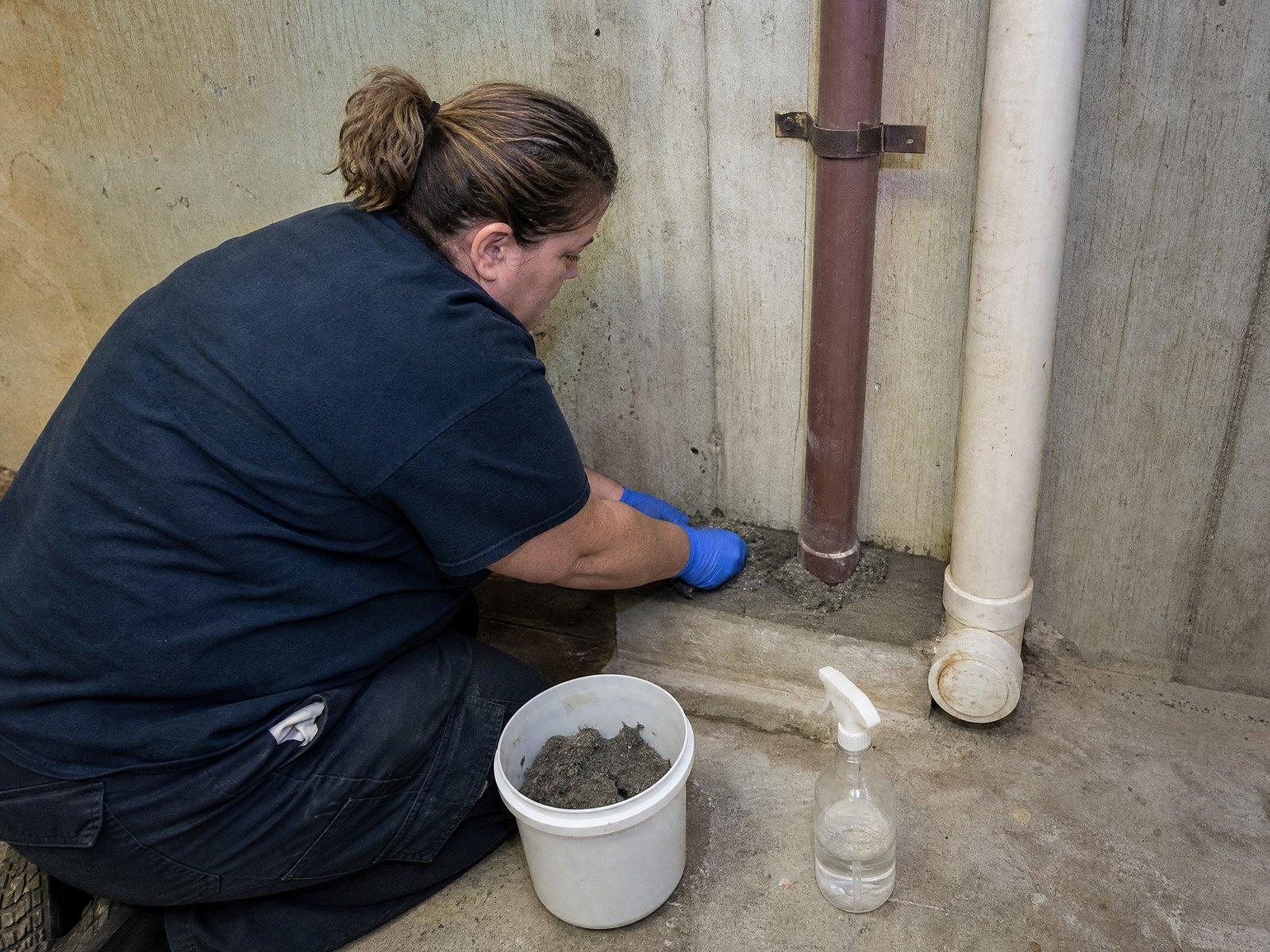
When a food facility needs a stronger pest program
An audit or customer inspection flagged pest control records
Trap logs are inconsistent or missing for some periods
Rodent or insect activity is rising in production, storage or shipping
Reports do not show corrective actions or follow-up
Your site is expanding or changing, but the device map was not updated
A new customer requires BRC, SQF or another GFSI scheme
How the work goes, step by step
Share your requirements
Tell the specialist the audit scheme, customer requirements, building type and any past findings.
Assessment
A technician surveys the site, marks entry points, and drafts the device map.
Written program
The quote sets out frequency, devices, report format, response to findings and audit support.
Setup
Devices are installed and numbered, and baseline records are created.
Routine service
Visits follow the schedule, with trend reports and corrective actions kept up to date.
What changes the price
- Facility size
- More square feet and more rooms mean more devices and longer visits.
- Audit standard
- Higher documentation requirements take more reporting time.
- Visit frequency
- Weekly or bi-weekly visits cost more than monthly ones, though high-risk plants often need them.
- Product types
- Raw materials, cold storage and open product areas call for tighter control and more monitoring.
- Exclusion and repairs
- Building fixes, such as dock seals and door gaps, are usually separate from the recurring fee.
What a good quote spells out
- The audit standards the reports are formatted for
- How device numbering and maps are kept up to date
- What each report includes: findings, trends, corrective actions, product records
- How quickly urgent findings are communicated to your QA team
- What support is provided during audits
HACCP Pest Management: questions people ask
Do food plants need a documented pest program?
Auditors under HACCP, BRC, SQF and similar schemes expect one, as do many customers and regulators. The details depend on your standard.
Who is responsible for corrective actions?
The facility owns fixes to the building and sanitation, and the pest provider records findings and recommends actions. The program should show who did what and when.
Can the same provider handle several plants?
Yes. Multi-site programs can use the same report format and device system, which makes comparing sites easier.
What should be in a pest control binder?
Service contract, scope, device map, service reports, product labels and safety data sheets, trend reports, corrective action records and staff training records.
Other Vexon services
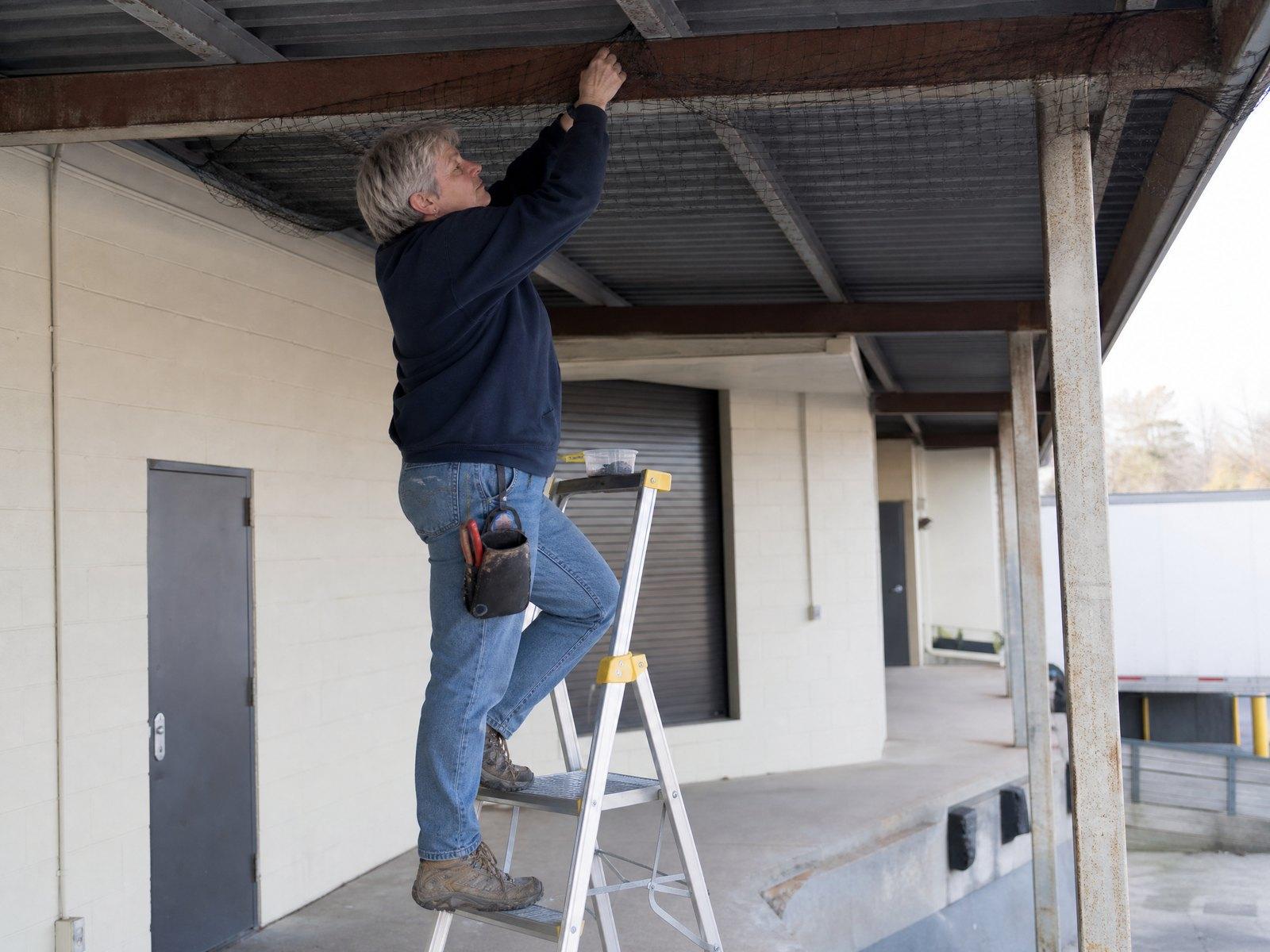
Ready for a Real Pest Program?
Tell us about the building and what you are seeing. We review every request, and a specialist who serves your area follows up with next steps.
Request a free quote →