Commercial Pest Control: Recurring Programs for Buildings
Commercial pest control is a recurring program for a business building: a technician inspects on a schedule, checks monitoring devices, treats only where there is activity and writes down what was found. It is meant to keep pests from getting established, not to react once tenants or customers have already seen them.
Describe the job and add your city. Free to request, no obligation.
The usual building blocks are an initial inspection, a map of traps and bait stations, regular visits, and notes on conditions that invite pests, such as gaps under doors, damp areas, food waste and cluttered storage. Visit frequency depends on the use of the building. A restaurant or food store is typically visited monthly, while a quiet office may need far fewer visits.
A program is only as useful as its paperwork. A good provider leaves a service report after each visit, so you can see what was found, what was done and what you need to fix. That record is what you show a landlord, an insurer or an auditor.
What the work includes
- Initial inspection of the interior, exterior and surrounding grounds
- Map of monitoring devices, traps and bait stations
- Scheduled visits at an agreed frequency
- Targeted treatment where activity is found, not blanket spraying
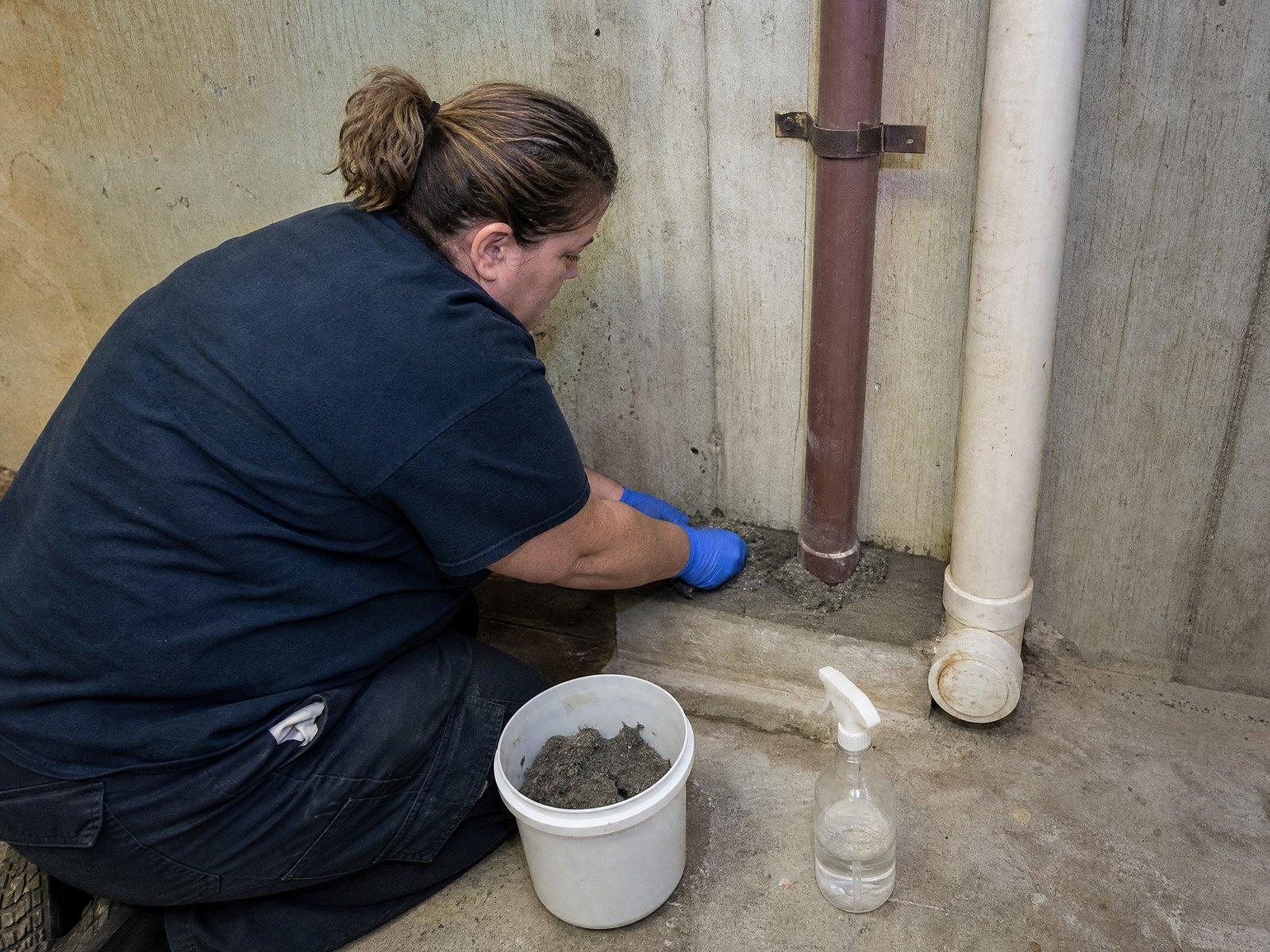
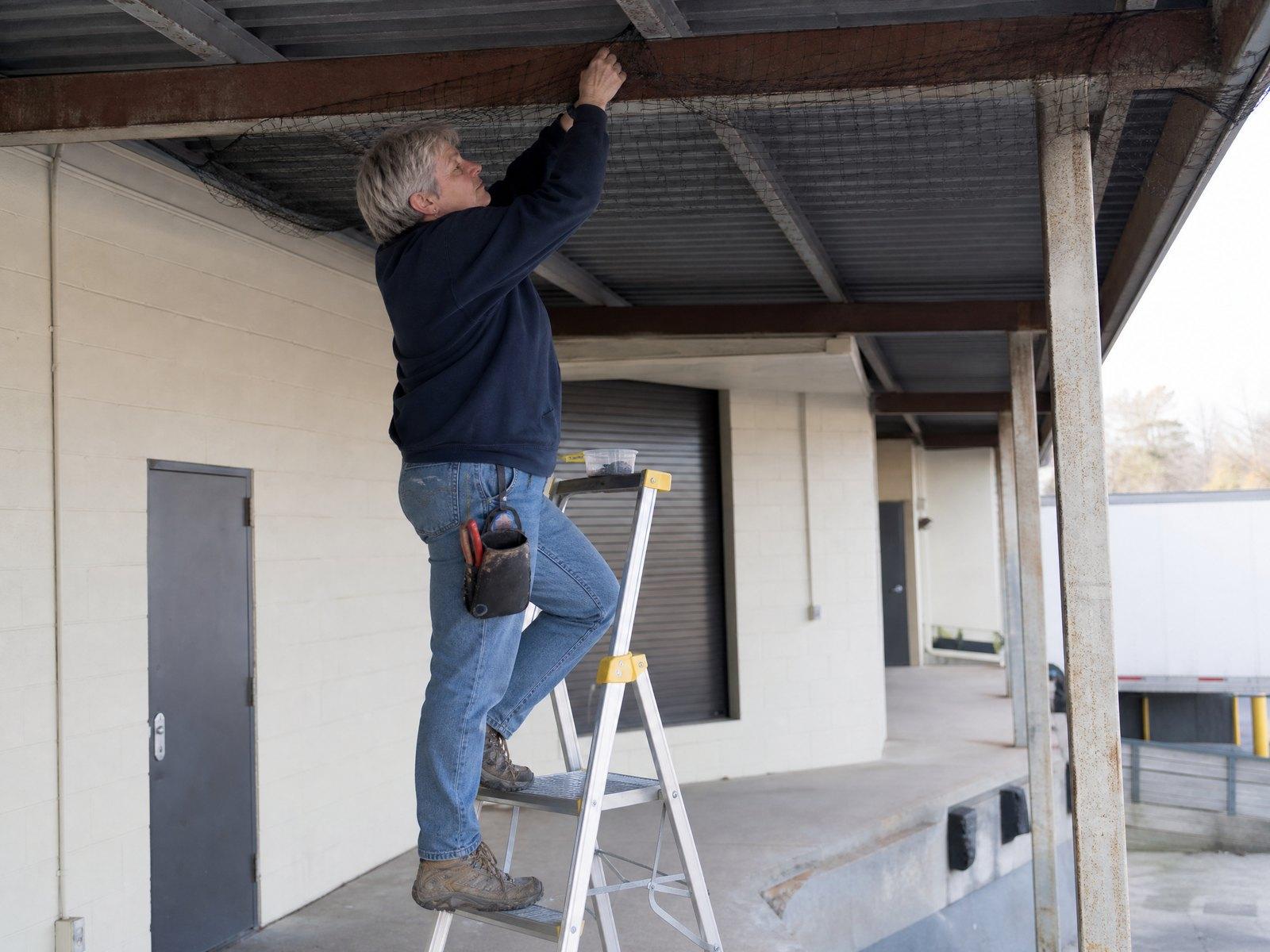
- Sealing recommendations for gaps, doors, drains and penetrations
- Notes on sanitation and storage conditions that attract pests
- Service report after each visit with findings and products used
- Review of trends and a yearly check of the program scope
Signs a building needs a pest program
Droppings, gnaw marks or grease smears along walls and in storage areas
Tenants, staff or customers reporting insects or rodents
Pests keep coming back a few weeks after a one-off spray
A lease, insurer or health inspector asks for service records
Food, packaging or waste is stored in more than one area of the building
Neighbouring units or buildings have an active infestation
How the work goes, step by step
Send building details
Describe the type of business, the size, the pests you have seen and any inspection or audit requirements.
Site inspection
A technician walks the interior and exterior, notes entry points and conditions, and maps where devices will go.
Written scope and price
The quote lists visit frequency, devices, target pests, exclusion work and what the reports will contain.
Startup visit
Devices go in, urgent problems are treated and any quick sealing is done.
Routine service
Visits follow the schedule, with a report after each one and a review when trends change.
What changes the price
- Building size and layout
- More floors, rooms, storage areas and exterior grounds mean more devices to check and more time per visit.
- Type of business
- Food service, grocery and care facilities get more frequent visits than offices or light industrial space.
- Visit frequency
- Monthly programs cost more per year than quarterly ones, though each visit may be lighter.
- Pest pressure
- A building with active infestations needs extra visits and treatment before it settles into routine monitoring.
- Exclusion work
- Door sweeps, sealing and repairs are often priced apart from the recurring fee.
- Reporting needs
- Custom reports, audit documents or multi-site summaries take admin time.
What a good quote spells out
- How many visits per year, and what each visit includes
- Which pests are covered and which are charged extra
- Whether exclusion and repairs are included or quoted separately
- What you receive after every visit and in what format
- Contract length, renewal terms and how to cancel
Commercial Pest Control: questions people ask
How often should a commercial building have pest control?
Restaurants and food stores are usually visited monthly or more often. Offices and retail often do well with quarterly visits. The right rhythm depends on the building, its neighbours and the season.
Is a pest program the same as a one-off treatment?
No. A treatment responds to a problem that already exists. A program inspects and monitors regularly so problems are caught early, and it keeps records.
Who is responsible for sealing gaps and fixing sanitation?
Usually the building owner or tenant under the lease. The pest provider can point out what to fix, but the work itself is often outside the pest contract.
What should a service report include?
Date, areas checked, activity found, products used and where, recommendations and photos if relevant. If reports are just a signed slip, ask for more detail.
Other Vexon services
Ready for a Real Pest Program?
Tell us about the building and what you are seeing. We review every request, and a specialist who serves your area follows up with next steps.
Request a free quote →