Emergency Pest Control for a Sudden Infestation
Emergency pest control is a fast response to an infestation that cannot wait: roaches in an open kitchen, a rodent sighting before an inspection, bed bugs in a guest room, a wasp nest by an entrance or birds trapped inside a store. The aim is to contain the problem, protect people and food, and then set up a proper plan.
Describe the job and add your city. Free to request, no obligation.
The first visit is usually triage. A technician identifies the pest, checks how far it has spread, treats the most urgent areas and tells you what to do in the meantime. Underlying causes, such as gaps or sanitation, are dealt with in the next stage, not on the spot.
Because the situation is urgent, details count. Send photos, location, the pest and any deadline, such as an inspection or an event, in your request. How quickly someone can attend depends on the specialist's schedule, and the quote should state it rather than assume it.
What the work includes
- Rapid identification of the pest and the affected areas
- Immediate treatment of the highest-risk zones
- Containment advice, such as closing rooms or protecting food
- Device or trap placement to catch what remains
- Photos and notes of what was found
- A written summary of what was done and what is still to do
- Recommendations to prevent a repeat
- A follow-up visit and a proposal for an ongoing program
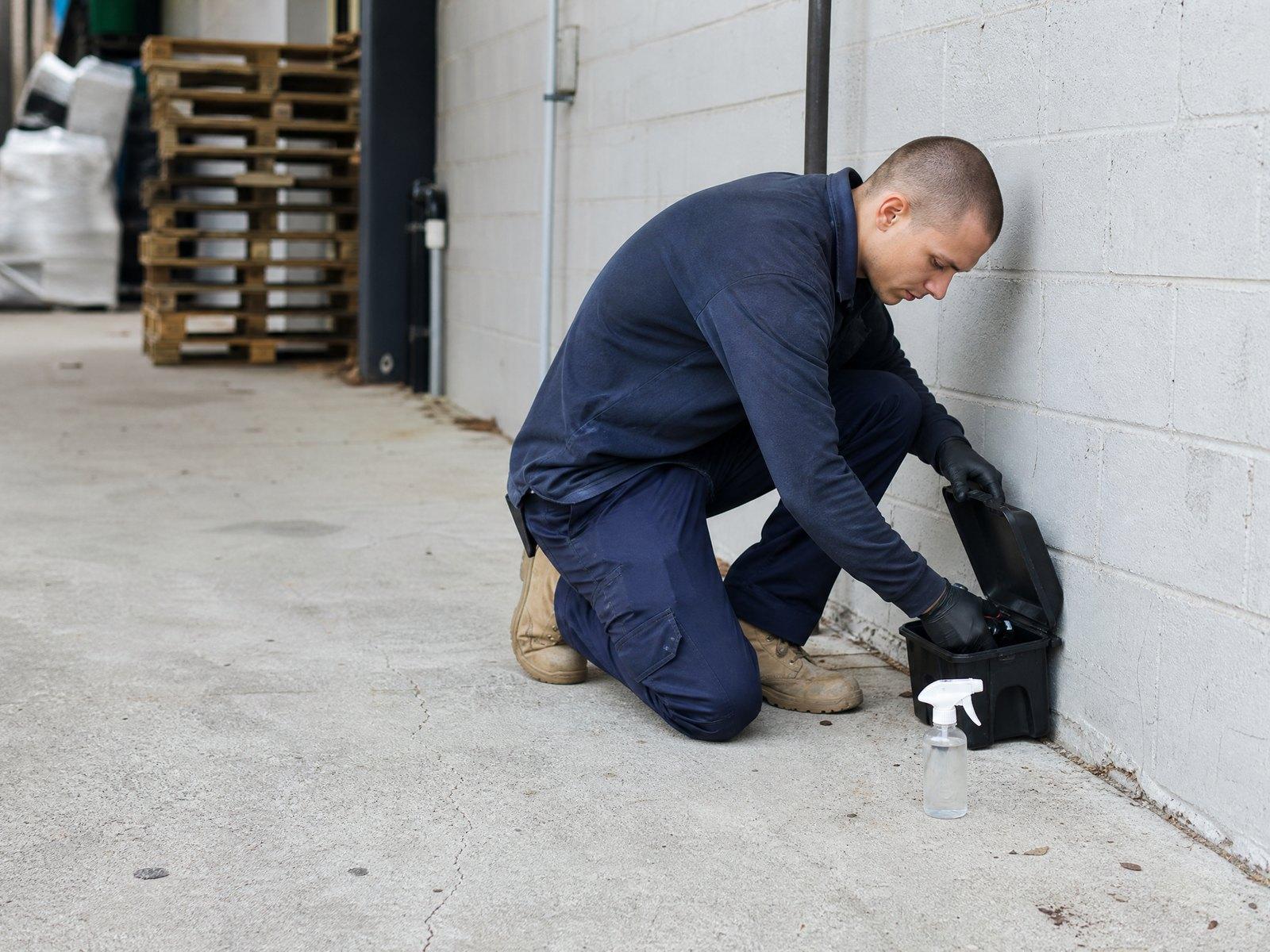
Situations that call for emergency pest control
Live rodents or roaches seen in food prep or sales areas
A health inspection or audit is coming up and activity has been found
Bed bugs reported in a guest room or unit
Stinging insects nesting near an entrance or loading dock
Birds or animals trapped inside the building
Pest activity is spreading after a spill, flood or building work
How the work goes, step by step
Send the details
Include the pest, location, photos, deadlines and whether the area can be closed off.
Review and contact
Your request is reviewed and a specialist replies with questions or a visit time.
Triage visit
The pest is identified, urgent areas are treated and immediate steps are explained.
Written follow-up
You receive a summary of the work, what remains and a quote for a full plan.
Follow-up visits
Further visits confirm the problem is gone and set up prevention.
What changes the price
- Pest and severity
- A single wasp nest is a different job from roaches across a kitchen.
- Time of day
- After-hours or weekend work may be priced differently.
- Size of the area
- A small room is faster to treat than a whole floor or building.
- Equipment needed
- Heat units, lifts or special traps add to the cost.
- Follow-up
- Emergency work is often followed by monitoring visits and sealing, which are quoted on top.
What a good quote spells out
- When the specialist can attend, stated in writing, not assumed
- What the first visit covers and what is left for later
- How after-hours work is priced
- How the area is handled safely around staff, customers and food
- What the follow-up and prevention plan includes
Emergency Response: questions people ask
What should staff do before the technician arrives?
Keep people and food away from the affected area, do not spray store-bought products over a large area, and take photos. Leave droppings or live pests in place for identification.
Is emergency service more expensive?
It can be, especially after hours. Ask for the price structure before booking, so there are no surprises.
Will an emergency visit solve the problem?
It deals with the immediate risk. Lasting results usually need follow-up visits and fixes to the building or sanitation.
Can emergency work help with an upcoming inspection?
It can reduce visible activity, and the records help show action was taken. It does not guarantee how an inspector will judge the site.
Other Vexon services

Ready for a Real Pest Program?
Tell us about the building and what you are seeing. We review every request, and a specialist who serves your area follows up with next steps.
Request a free quote →